Blog
Driving to Zadar and Parking: A Step-by-Step Guide for Guests Arriving by Car
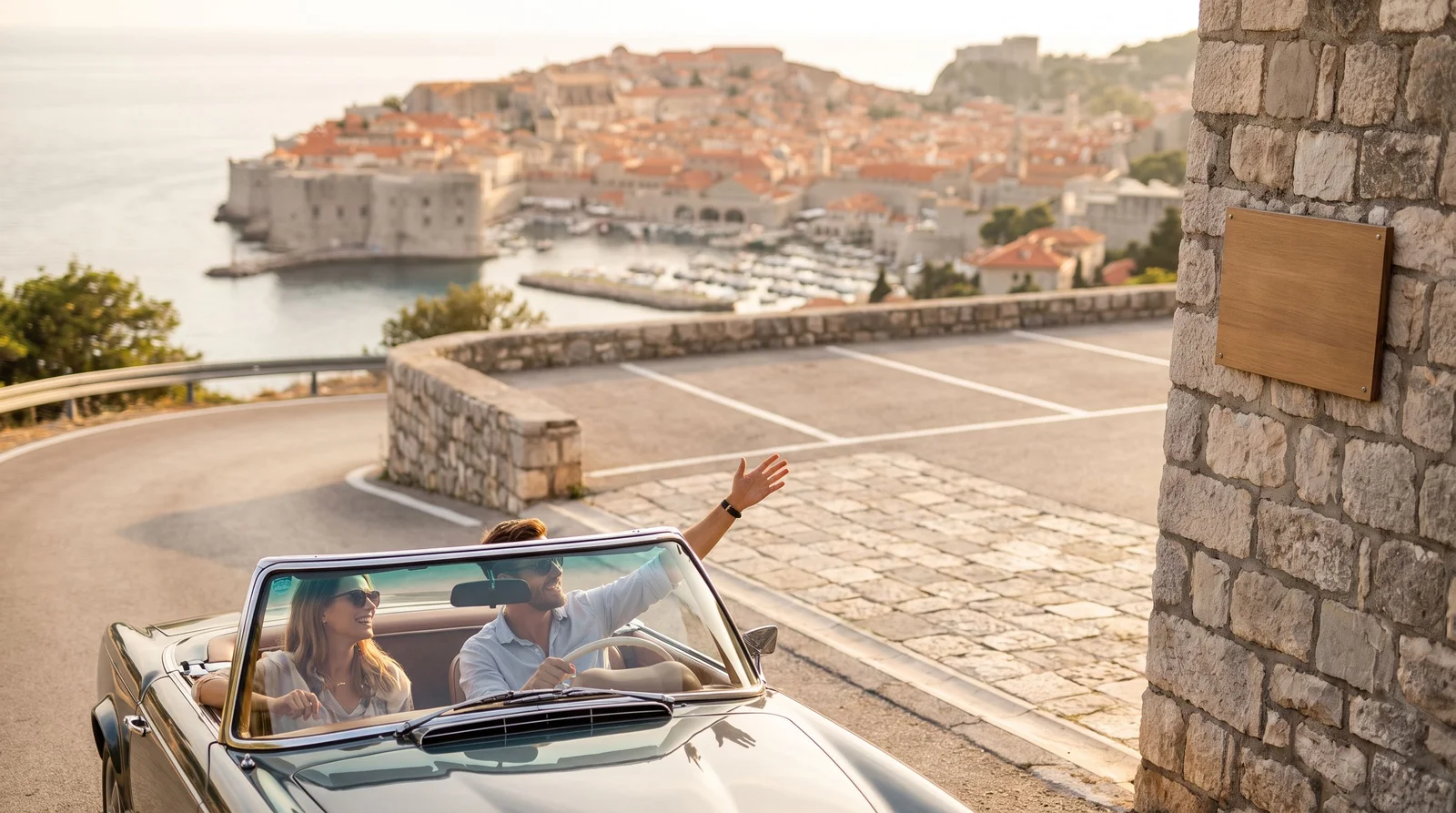
Arriving in Zadar by car is, for most travellers, the easiest and most flexible way to start a Croatian holiday. The A1 motorway makes the drive from Zagreb, Split or the Slovenian border surprisingly smooth, and once you're here, having your own vehicle opens up the whole region — from the waterfalls of Krka to the canyons of Paklenica. But if this is your first time navigating Croatian motorways, tolls and city-centre parking rules, a little preparation goes a long way. Here is a practical, step-by-step guide to help you drive in with confidence, find your way to Varaždinska 45, and make the most of the free private parking waiting for you on arrival.
Driving from Zagreb: the A1 route in detail
The most common approach to Zadar is along the A1 motorway from Zagreb, a drive of roughly 270 kilometres that typically takes between two and a half and three hours depending on traffic and your stops. You'll join the A1 south of Zagreb near Lučko and stay on it almost the entire way, passing through the Lika region with its rolling hills, tunnels and open plateau views. The road surface is modern and well maintained, with clear signage in both Croatian and English-style international symbols, so navigation is straightforward even if this is your first visit.
The A1 is a toll road, and Croatia uses a ticket system rather than fixed barriers at every junction. You take a ticket when you enter the motorway and pay when you exit, with the amount calculated by distance travelled. Tolls can be paid in cash (euros), by credit or debit card, or using an ENC electronic toll device if your rental car is fitted with one — most Croatian rental agencies now offer this as an option and it can save real time at busy exits in peak season.
There are several well-equipped service areas along the route, such as those near Ogulin, Gornja Ploča and Maslenica, offering fuel, food, clean restrooms and coffee. It's worth planning one proper stop roughly halfway through the journey, both to stretch your legs and to avoid arriving tired. In July and August, the exits near Zadar can back up during peak afternoon hours, so leaving Zagreb in the morning rather than early evening is generally the smarter choice.
Coming from Split or the south
If you're approaching from Split or anywhere further south along the Dalmatian coast, you have two realistic options: the inland A1 motorway or the scenic coastal road, the Jadranska Magistrala. The A1 is faster, covering the roughly 160 kilometres between Split and Zadar in about ninety minutes to two hours, and it avoids the summer congestion that can build up in coastal towns like Trogir or Šibenik.
The coastal road takes considerably longer, often three hours or more with stops, but rewards you with sea views, small harbour towns and the chance to break the journey at Šibenik or Primošten. If you have the time and it isn't peak midsummer heat, it's a genuinely enjoyable alternative for the drive south-to-north; if you're arriving after a long travel day, the motorway is the more comfortable choice.
Either way, note that the A1 exit for Zadar (Zadar 1 or Zadar 2 depending on your direction) feeds directly into the road network leading toward the city centre and the surrounding residential districts, so check your GPS destination before you reach the toll gate to make sure you take the correct exit for your accommodation.
Arriving from the Slovenian border
Guests driving down from Slovenia, Austria or further north in Europe typically cross the border near Kastav or Rupa and join the Croatian motorway network via the A6 toward Rijeka, then connect onto the A1 heading south toward Zadar. This route adds tolls on both the A6 and A1 sections, so keep a stock of euros or a card handy for multiple toll stops along the way.
The total driving time from the border area to Zadar is typically around three hours, depending on exactly where you cross. The scenery changes noticeably as you move south — from the green hills near Rijeka into the dramatic karst landscape of Lika — and the road quality remains consistently good throughout.
If you're arriving from this direction later in the day, especially outside summer, be aware that temperatures can drop and fog is possible in the Lika plateau area during autumn and winter mornings. Standard caution and reduced speed in low-visibility stretches is all that's needed, but it's worth knowing in advance rather than being surprised by it.
The final approach to Varaždinska 45
Once you exit the A1 at the Zadar interchange, your GPS or phone navigation will guide you through the approach roads into the city. Varaždinska 45 sits in a quiet residential area, which means the final few minutes of the drive move away from the busier tourist-facing streets near the Old Town and into calmer, local roads — a nice preview of the relaxed stay ahead.
We'd recommend setting your navigation app directly to the street address rather than simply to 'Zadar centre', since the city's one-way systems and pedestrian zones around the historic peninsula can otherwise send you on an unnecessary loop. If you're using a paper map or a printed itinerary, cross-check the route the night before so you're not making last-minute decisions in traffic.
Mobile signal and data coverage are reliable throughout the approach, so real-time navigation should work without interruption. If you do get turned around, Zadar is a manageable, mid-sized city, and a quick phone call ahead of arrival is always the fastest way to get clear, local directions for the last stretch.
How the free private parking works on arrival
One of the most common worries for guests driving into any coastal Croatian city is parking — many Old Town and seafront areas have limited, metered or restricted spaces, especially in peak season. That's precisely why having free private parking included with your apartment makes such a practical difference: you can pull in, unload your luggage and leave your car in a secure, designated spot for the length of your stay, with no searching for a space or feeding a meter.
On arrival, simply drive directly to Varaždinska 45, where your private parking spot will be ready for you alongside check-in from 15:00. There's no need to pre-book a separate garage or navigate a confusing permit system; the space is reserved as part of your stay, which is one less thing to think about after a long drive.
Because the apartments sit in a quiet residential pocket of Zadar rather than directly inside the restricted Old Town zone, you also avoid the access restrictions that apply to many historic-centre properties, where vehicles are banned entirely during the day. That means you can come and go freely for day trips, loading coolers, hiking gear or shopping bags without needing to re-park outside the city limits each time.
Why a car matters for day trips: Plitvice, Krka and Paklenica
Zadar's location makes it an excellent base for exploring some of Croatia's most celebrated natural attractions, and for all three of the following, having your own car is genuinely the most efficient option. Plitvice Lakes National Park lies roughly 130 kilometres inland and takes about two hours to reach by car via a combination of motorway and regional roads; arriving early, ideally before 9:30, lets you beat the tour-bus crowds at the main entrances and find easier parking at the park's own car parks.
Krka National Park, home to the dramatic Skradinski Buk waterfalls, is closer still, around 85 kilometres and just over an hour's drive south. Driving yourself here means you can choose between entering via Skradin or Lozovac depending on where parking looks less congested on the day, something that simply isn't possible if you're relying on a scheduled tour bus.
Paklenica National Park, with its limestone canyons and popular hiking and climbing routes, is the closest of the three at around 45 minutes south of Zadar, but it is also the least served by public transport. A car is effectively essential here, since the trailheads start right at the park entrance and there's no practical way to reach them otherwise.
For all three destinations, a few shared pieces of advice apply: fill your tank before you leave, bring cash in small denominations for park entrance fees and any toll sections, start early to secure parking and avoid midday heat on the trails, and check each park's official opening hours and ticket system in advance, as entry is often timed or pre-booked online during peak season.
Driving to Zadar is one of the most convenient ways to begin a Croatian holiday, and with a little planning around tolls, rest stops and your final approach into the city, the journey itself becomes an easy, even enjoyable part of the trip. Having free private parking waiting for you at Varaždinska 45 removes the one genuine headache of arriving by car in a coastal city, and it keeps your options wide open for spontaneous day trips to Plitvice, Krka and Paklenica once you've settled in. If you have questions about the best route for your starting point, toll costs, or anything else about arriving by car, reach out before your trip and we'll help you plan a smooth, relaxed arrival in Zadar.
Frequently asked questions
How long does it take to drive from Zagreb to Zadar?
Around two and a half to three hours via the A1 motorway, depending on traffic, the time of day and how many stops you make along the way.
Are there tolls on the way to Zadar?
Yes, the A1 motorway operates a ticket-based toll system. You take a ticket on entry and pay based on distance when you exit; cash, cards and electronic toll devices are all accepted.
Is parking included with the apartments?
Yes, free private parking is included for guests staying at Varaždinska 45, so you can drive straight in, unload and leave your car for the length of your stay without searching for a space.
Do I need a car to visit Plitvice, Krka or Paklenica from Zadar?
A car is strongly recommended. All three national parks are within one to two hours of Zadar by road, and having your own vehicle lets you arrive early, choose entrances with easier parking, and set your own schedule.
If you're planning to drive in for your stay, get in touch and we'll help you plan your route, arrival time and parking so everything is ready when you arrive.
Plan your arrival